

Tools
Choosing an AI teammate for your growing business
A practical guide to comparing AI tools by the work you need done, the context they can use and the control they leave in your hands.
A practical guide to comparing AI tools by the work you need done, the context they can use and the control they leave in your hands.

Define the audience, the offer and the next action before opening a design tool. A useful brief makes the rest of the campaign easier to review.

Build a content plan around real customer questions, a few useful formats and a review process your team can keep up with.
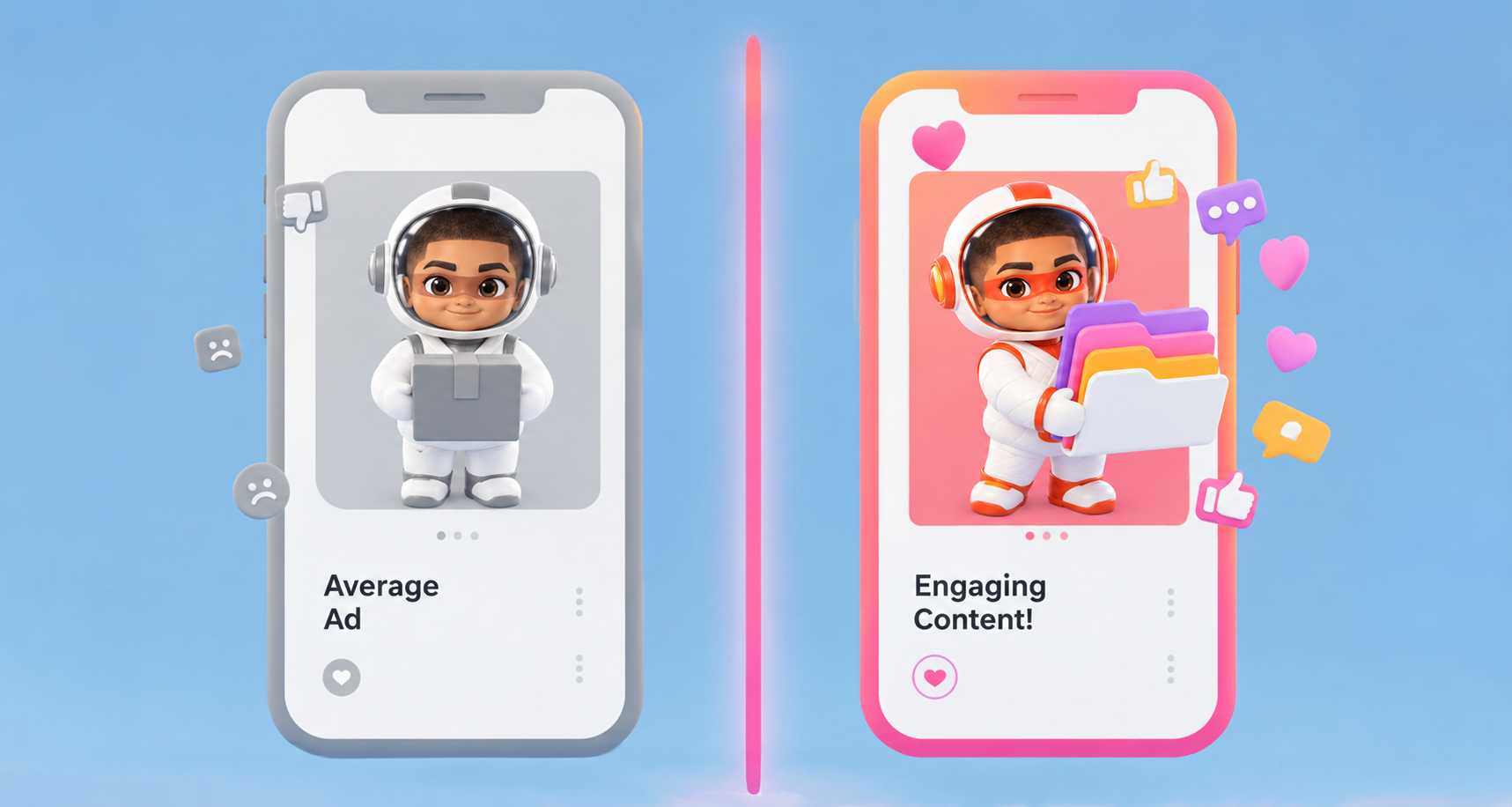
Bring the brief, draft and feedback into one workflow. Here is how to organize the handoffs that usually slow a small team down.

Review the destination, creative, measurement and audience together. A repeatable checklist helps you catch the gaps before a campaign goes live.

Give creators the context they need while leaving room for their own voice. Start with the goal, message and practical deliverables.
Different channels answer different business questions. Choose a first test around your offer, audience and the evidence you need next.

Collect the questions and objections your customers already share. Use them to develop hooks that fit the rest of the campaign.
Map the opening, message and next action before production starts. Keep the brief short enough for everyone to use during review.

Put the customer situation first, explain the offer clearly and show the next step. A simple structure helps your team review the message.

Start with one question, a bounded test and a useful decision. Keep the learning clear enough to inform your next campaign.

Share the documents, examples and constraints that matter to the task. Better context starts with what your team already knows.

Define who the program is for, how referrals are tracked and which materials partners need before launching the first invitation.

Bring the offer, audience and creative direction together. Use one review pass to check the message and destination before publishing.
Keep the voice, visual references and priorities in one place. A working brand brief helps every new task begin with shared context.

Match formats to customer questions and the time available. Build a plan around a manageable cadence and a clear review process.
Collect customer language, campaign results and useful examples. Turn what you learn into a brief for the next experiment.

Choose the business question before choosing the creative. A clear test makes the results easier to interpret and act on.

Turn recurring questions into a practical list of post ideas. Keep the examples and feedback close so the plan can evolve.
Separate the angle, visual and offer so you know what changed. Review each version against the question the test needs to answer.

Define what you need to learn and which decisions follow. Track the spend and results with the same view of the test.
Write for the questions people ask at each stage. Keep the plan connected to the conversations your team already has with customers.
Start with the goal of the content, then review the available signals. Turn the findings into one practical change for the next post.
Connect the message, form and follow-up before launching. Make it clear who reviews each lead and what happens next.

Choose a small set of useful topics and build a realistic cadence. Use each review to make the next draft easier to prepare.

Take stock of what exists, what customers engage with and what your team can maintain. Use the findings to prioritize the next steps.

Show the customer situation, the product in use and a clear next action. Keep the message focused enough for a short format.

Connect the profile, recent posts and landing page around the same offer. Make the next step easy to understand and review.
Keep a list of angles, draft the first hooks and agree a review cadence. A simple routine makes it easier to follow through.
Keep the source and permission alongside each story. Separate verified customer evidence from examples used to explore a creative direction.
Agree what changes, what stays the same and what evidence you need. Write the next decision into the plan before the test begins.
Look at the offers, formats and journeys in your market. Turn the observations into original ideas grounded in your own business.

Choose the customer questions your team can answer well. Use a realistic publishing rhythm and review what the audience does next.
List the moments where someone needs help or a useful reminder. Turn the priorities into a sequence your team can review.
Bring the offer, customers and available resources together. Choose a first set of tasks that your team can realistically complete.
Start with repetitive preparation and clear review points. Keep the steps involving customer judgment visible to the people responsible.

List the task, the information needed and the destination. Build connections around useful workflows instead of adding tools without a plan.

Use the same input and review criteria for each option. Judge the result by the work your team would need to finish afterward.

Agree the goal, deliverables and approval process in one brief. Keep the practical details together before production starts.
Connect each metric to a question about the business. A useful report shows what changed and which action your team should consider.

Keep the tools that support clear workflows and remove duplicate handoffs. Start with what your team needs to deliver this month.

Keep the brief, assets and feedback organized around the deliverable. Make the next action clear for everyone involved.

Review each option against the format, quality and editing work you need. Keep the business goal in view throughout the comparison.
Start with a recurring task and the context it needs. Compare how each approach handles the handoff and review.
Build the creative direction around a specific use case and clear product information. Keep claims and evidence together during review.

Collect product references, voice examples and practical constraints. Give every draft the same clear starting point.
Focus on the customer situation and the information needed for a next step. Review the message for clarity before adding more detail.
Document the audience, claims and approval needs in one place. Make sure the people responsible can check every important detail.
Explore a few distinct angles around the same offer. Review the message and visual hierarchy before preparing more variations.
Check the product page, offer and follow-up alongside the creative. A consistent journey gives your team a clearer view of what to improve.